Can Dogs Drink Milk?
Can dogs drink milk? A small amount is not always a crisis, but many dogs do not tolerate dairy well and there is usually no real benefit to offering it.
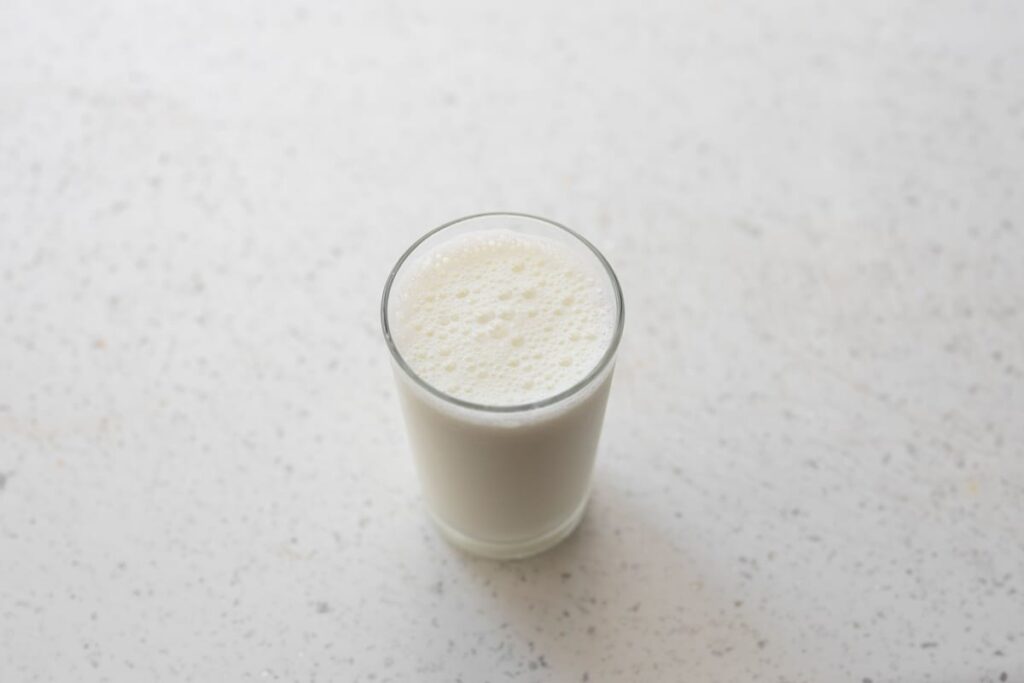
Quick orientation
This page is part of the iPickPet knowledge hub. It keeps the explanation readable first, with direct answers and deeper context underneath.
Short answer: Can dogs drink milk? Some dogs can handle a small amount, but many do not tolerate dairy especially well. That means milk is usually more of a digestive gamble than a useful addition.
At a glance
- A small lick of milk is often not an emergency.
- Many dogs get gas, soft stool, or stomach upset from dairy.
- Milk adds calories without offering a clear need in most adult dogs.
- Rich dairy foods can be a worse idea than a tiny splash of plain milk.
What this topic means
When owners ask whether dogs can drink milk, they are usually trying to work out whether a familiar human food is harmless. The better question is whether it is worth offering at all. Adult dogs do not need milk, and plenty of them handle it poorly.
That is why the practical answer is often more cautious than the emotional one. A dog may like milk without actually doing well on it.
Can dogs drink milk safely?
A very small amount of plain milk may not cause a problem in an otherwise healthy dog. But tolerance varies a lot. Some dogs seem fine after a little, while others develop loose stool, gas, or vomiting from an amount that looked trivial at the time.
If a dog already has a sensitive stomach, recurring digestive issues, or a history of pancreatitis, milk is even less appealing as a treat.
Why milk is often not worth it
Milk is not toxic in the way some foods are, but that does not make it a good everyday choice. It can add extra fat, extra calories, and an easy path to stomach upset. For many owners, that is enough reason to skip it.
It also creates confusion because people treat “not poisonous” as if it means “good for dogs.” Those are very different standards.
When it is normal vs when to worry
If your dog had a small sip and seems completely fine, you may only need to monitor for soft stool or mild digestive upset. If your dog drank a larger amount and develops vomiting, diarrhea, discomfort, or repeated stomach upset, it makes sense to call your vet.
The concern rises if the milk came from a rich dessert, flavored coffee drink, or recipe that included sweeteners or other ingredients that do not belong in a dog’s diet.
What to do next
If your dog does fine on a stable, balanced diet, there is no benefit in testing dairy tolerance just for variety. If you want a treat, choose something simpler and easier to portion.
If your dog frequently reacts to common foods, step back and look at the whole feeding pattern instead of repeating one-off experiments with table foods.
Related questions
If you are comparing common human-food questions, see Can Dogs Eat Sweet Potatoes? and Can Dogs Eat Bacon?.
If your dog has recurring food reactions, Best Dog Food for Food Allergies is a more useful long-term guide than guessing with random extras.
Suggested next reads on iPickPet
FAQ
Can puppies drink cow’s milk? Do not assume puppy feeding works the same way as human babies. Puppies should not be given cow’s milk as a casual substitute for proper puppy nutrition.
Is cheese different from milk for dogs? Some dogs tolerate small amounts of cheese differently, but rich dairy can still cause digestive trouble and adds calories quickly.
What if my dog already drank milk? Monitor for stomach upset, especially if the amount was more than a quick lick.
Keep exploring
Next reads and tools
Next route
Browse products
Move from article context into real formula review when you want to compare options.
Open routeIngredient context
Inspect ingredients
Use the ingredient library when one concept in the article needs label-level context.
Open routeTrust boundary
Review methodology
See how scoring, interpretation, and explanation boundaries work across the platform.
Open route