Can Dogs Eat Bacon?
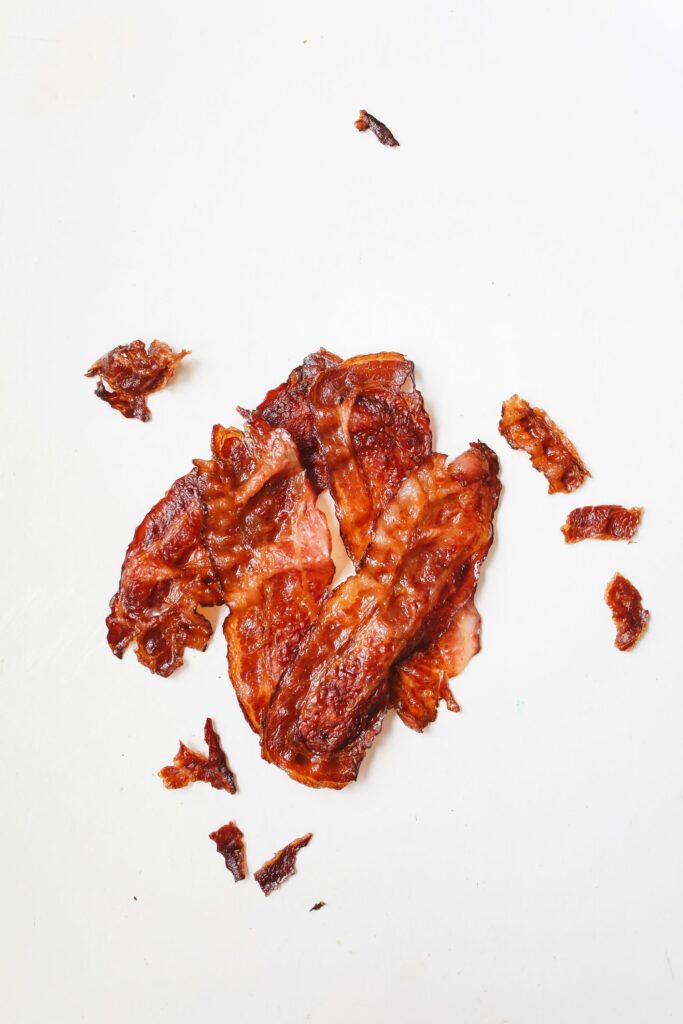
Can dogs eat bacon? A tiny accidental bite is not always an emergency, but bacon is fatty, salty, and rarely worth offering on purpose.
Quick orientation
This page is part of the iPickPet knowledge hub. It keeps the explanation readable first, with direct answers and deeper context underneath.
Short answer: Can dogs eat bacon? A small accidental bite may not cause a crisis, but bacon is not a smart routine treat. It is rich, salty, and easy to overdo.
At a glance
- Bacon is not a useful health food for dogs.
- Its fat and salt content are the main reasons owners are told to avoid it.
- One tiny piece may not cause a problem, but larger amounts can.
- Dogs with sensitive stomachs or pancreatitis risk need extra caution.
What this topic means
People usually ask whether dogs can eat bacon after a dog steals a bite or when they want to share breakfast. The honest answer is that bacon is a classic example of a food that dogs want far more than they need.
It is not just about the ingredient. It is about the combination of richness, salt, and portion creep. Those three things make bacon a poor “just this once” habit.
Why bacon is usually a bad choice
Bacon is fatty, heavily seasoned, and easy to overfeed because even a small strip looks harmless to a human. For some dogs, that extra richness can mean vomiting, diarrhea, or a miserable day after the meal. For higher-risk dogs, especially those with a history of pancreatitis or digestive flare-ups, the downside is more obvious.
Processed bacon can also be cooked with oils or paired with other foods that make the situation worse, not better.
Can dogs eat bacon safely in small amounts?
If a dog grabbed a tiny piece and seems totally normal, you may only need to monitor. That is different from intentionally feeding multiple pieces or letting a small dog clean a greasy plate.
The smaller the dog and the richer the amount, the less room there is for casual feeding mistakes.
When it is normal vs when to worry
Monitor for vomiting, diarrhea, abdominal discomfort, restlessness, or refusal to eat. If your dog had a larger amount, has a sensitive stomach history, or starts acting clearly unwell, contact your vet.
A dog that keeps vomiting or seems painful after fatty food deserves more attention than a dog that simply licked a crumb and stayed normal.
What to do next
Skip the idea that human breakfast foods make good dog treats. If you want to offer food from your kitchen, choose something simpler, milder, and easier to portion.
If your dog reacts often to rich foods, it may be time to tighten the regular diet instead of repeatedly testing the stomach with table scraps.
Related questions
For calmer food-safety questions, see Can Dogs Eat Sweet Potatoes? and Can Dogs Drink Milk?.
If your dog’s issue is not occasional treats but recurring diet reactions, Best Dog Food for Food Allergies is the more durable place to start.
Suggested next reads on iPickPet
FAQ
What if my dog stole a strip of bacon? Watch for stomach upset, especially in small dogs or dogs with a history of digestive trouble.
Is turkey bacon better for dogs? It may still be salty and processed, so it does not automatically become a good dog treat.
Can bacon cause pancreatitis in dogs? Fatty foods can be a problem for dogs already vulnerable to pancreatic flare-ups, which is one reason owners are urged to avoid rich treats.
Keep exploring
Next reads and tools
Next route
Browse products
Move from article context into real formula review when you want to compare options.
Open routeIngredient context
Inspect ingredients
Use the ingredient library when one concept in the article needs label-level context.
Open routeTrust boundary
Review methodology
See how scoring, interpretation, and explanation boundaries work across the platform.
Open route